
You spent 10 hours on your feet. You drove two hours each way. You delivered 800 edited images. And then you wrote one blog post, shared it once on Instagram, and called it done. That is a brutal return on your content investment.
The good news? One wedding contains more SEO material than most photographers realize. With a little structure, that single event can generate 10 distinct pieces of content, each targeting a different keyword, a different reader, and a different stage of the booking journey.
Here is exactly how to do it.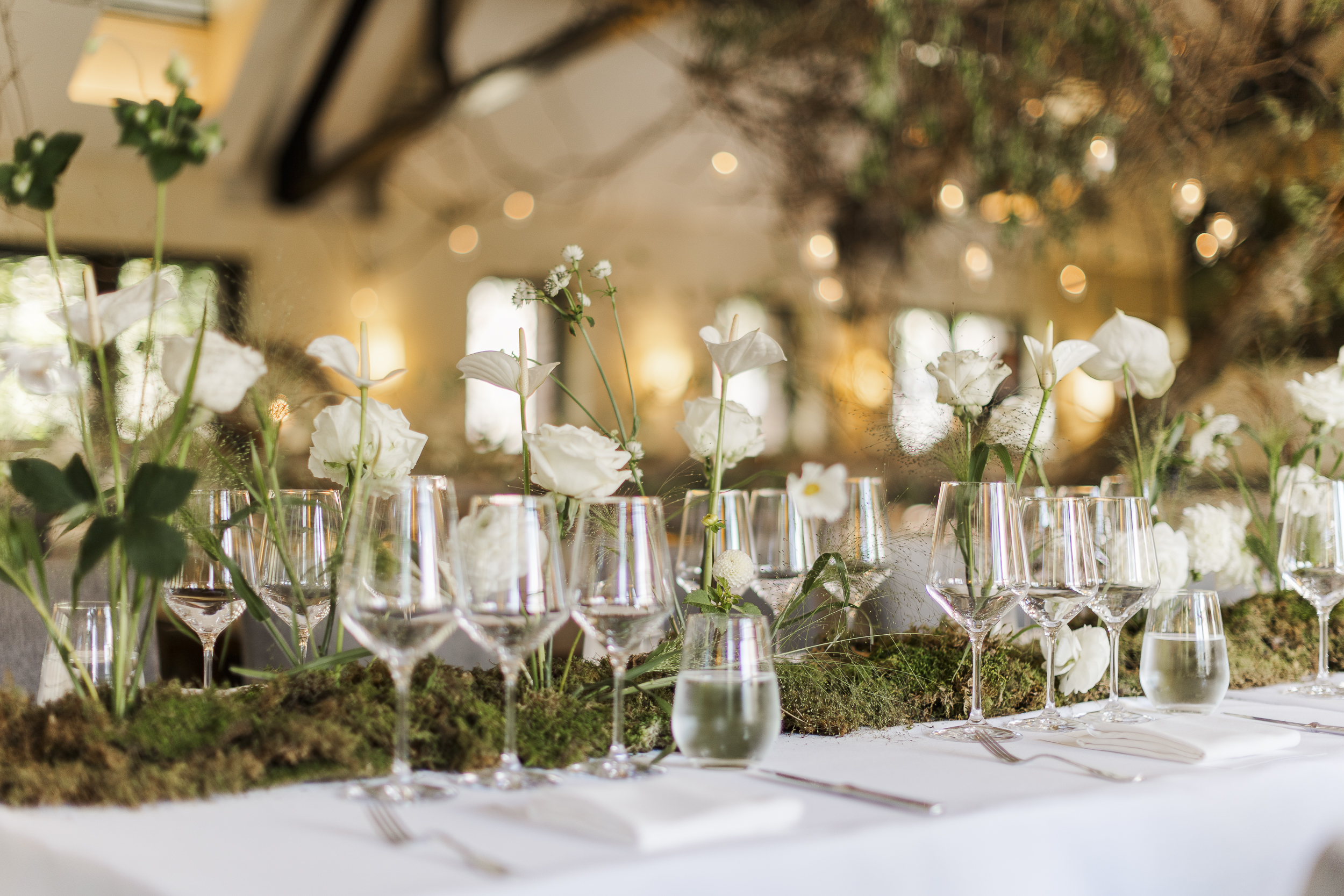
First, A Quick Mindset Shift
Stop thinking of a wedding blog post as a gallery dump. Think of it as a content hub.
A single wedding gives you: a location, a venue, a season, a style, a color palette, a set of vendors, a couple’s story, a timeline of events, and dozens of micro-decisions the couple made along the way. Every one of those is a content angle. Every one of those is something a future bride or groom is actively searching for right now.
You do not need more weddings. You need to do more with the weddings you already have.
The 10 Pieces
1. The Real Wedding Feature Post
Target keyword: “[Venue Name] wedding photographer” or “[City] wedding photographer”
This is the anchor. Your full gallery post, written with intention. Most photographers write these like a diary entry. Write it like a magazine feature instead.
Lead with the most cinematic moment of the day. Describe the venue with sensory detail. Name every vendor, because links and mentions build local SEO authority and often earn you a backlink from the vendors themselves. Include the couple’s names, the wedding date, and the location in your first paragraph, naturally, because those are the words someone searching for you will type.
Aim for 600 to 900 words. Include 15 to 25 images, captioned with descriptive alt text. This post is your SEO home base for everything else on this list.
One platform note: if your website is not built to support SEO blogging, that is the first thing to fix. Showit is what we recommend for photographers who are serious about search. It gives you full visual design control paired with a native WordPress blog, which is the best combination for ranking without sacrificing how your site looks.
2. The Venue SEO Post
Target keyword: “Weddings at [Venue Name]” or “[Venue Name] wedding photos”
Create a standalone post dedicated entirely to the venue. Future couples research venues obsessively before they book them, and they image-search constantly. If your photos show up when someone Googles “[Venue Name] real weddings,” you are getting in front of an already-warm lead.
Structure it like a venue guide:
- What makes this venue special
- Ideal times of day for photos (with examples from your session)
- Ceremony and reception layout tips
- Parking, logistics, hidden spots photographers love
This post can be evergreen. Once you have shot at a venue two or three times, combine the content and you have a comprehensive resource that ranks for years.
3. The Vendor Spotlight Post
Target keyword: “[Florist/Planner/Hair Artist Name] + [City]”
Pick the vendor who did the most visually compelling work at this wedding, usually the florist or the planner, and write a post spotlighting their work. Include your photos, tag their business, link to their website, and explain what made their contribution exceptional.
Why does this work for SEO? Because brides search vendors by name once they have been referred. If your post ranks when someone searches that florist, you are getting a warm introduction. And vendors almost always share these posts, giving you backlinks and social reach.
Send them the post before you publish and ask if they want to add a quote. They almost always say yes, and they almost always share it.
4. The Detail Shots Post
Target keyword: “[Wedding style] wedding details” or “[Season] wedding flat lays”
Pull every detail shot from the session: invitation suite, rings, shoes, florals, tablescape, signage. Build a post around those images alone.
Brides planning their own weddings search for detail inspiration constantly, and these posts perform exceptionally well on Pinterest, which drives real referral traffic to your site. Write a short paragraph about the couple’s vision and styling choices, then let the images carry the post.
Bonus: this post has almost no overlap with your main feature, so Google sees it as separate, distinct content about a different topic.
5. The “Getting Ready” Guide Post
Target keyword: “Wedding morning photography tips” or “How long does getting ready take for photos”
The getting-ready portion of a wedding day is one of the most searched topics by brides who just got engaged. They want to know how to plan it, how long to schedule, and what it looks like in photos.
Use your getting-ready images from this wedding as examples throughout a practical guide. Cover: how much time to allow, how to organize the space, what detail items to have ready for the photographer, and how to keep the morning calm. This post serves a reader who is not ready to book yet but is deep in the planning phase. When they are ready, they will remember who taught them something useful.
6. The Location or Neighborhood Post
Target keyword: “[City/Region] outdoor wedding venues” or “Weddings in [Neighborhood or Region]”
If the wedding took place at a recognizable location or in a destination market, write a post about weddings in that area. Use images from this wedding as the visual anchor and supplement with context about the location itself: what makes it special, what the lighting is like, what time of year is best.
This is especially powerful for destination photographers. A post titled “Hudson Valley Fall Wedding Photographer: A Complete Guide” with real images ranks for location-based searches from couples planning weddings there.
7. The Style or Color Palette Inspiration Post
Target keyword: “[Color palette] wedding inspiration” or “[Aesthetic] wedding photos”
Pull 10 to 15 of your strongest images from this wedding that represent a cohesive visual theme. Earthy and romantic? Moody and editorial? Bright and garden-party fresh? Write a short post around that aesthetic.
Brides searching for “sage green wedding inspiration” or “moody romantic wedding photos” are in the discovery phase. They do not have a photographer yet. They are building their vision board. Your post, if it ranks, puts your work directly in front of them while their taste is still forming.
8. The Couple’s Story or “Real Bride” Feature
Target keyword: “[Name] + [Name] wedding” or “[Venue] real wedding feature”
Interview the couple after the wedding. Ask them five or six questions: how they met, what they were most nervous about, the moment they will never forget, what advice they would give future couples.
Turn their answers into a first-person narrative post with a selection of your photos. This content is warm, emotional, and deeply shareable. The couple will almost certainly share it with everyone they know, generating traffic, backlinks from their social profiles, and new eyeballs on your work from people in their exact demographic.
It also ranks for their names, which means when their friends and family search for them online, your website appears.
9. A “Lessons Learned” or Behind-the-Scenes Post
Target keyword: “Wedding photographer tips” or “What photographers wish couples knew”
Write a post from your perspective as the photographer at this wedding. What worked beautifully? What did the couple do that made your job easier? What would you tell every couple to do differently?
Be specific and use real examples from the day. “At this outdoor ceremony, the couple chose to face each other instead of the sun, and it made every single photo more beautiful” is more useful and more rankable than generic advice.
This type of content builds authority, earns links from wedding planning blogs, and attracts couples who value a photographer who thinks and communicates clearly.
10. An FAQ Post Triggered by This Wedding
Target keyword: “How to [specific question this wedding inspired]”
Every wedding teaches you something a future couple needs to know. Turn it into a standalone FAQ post.
Some examples:
- “How to handle rain on your wedding day (and still get incredible photos)”
- “What to do when your ceremony runs late”
- “How to include kids in your wedding portraits without losing your mind”
- “Can you get good photos at an indoor-only venue?”
Answer the question thoroughly, link back to the real wedding feature as a reference, and use your images as visual examples. These posts rank for long-tail questions that have clear search intent and low competition, and they position you as a photographer who solves problems, not just takes pictures.
How to Make This Sustainable
You do not have to publish all 10 pieces at once. Spread them over six to eight weeks after each wedding. Schedule one post per week. Use a simple content calendar: the feature post goes live first, then one supporting piece per week in whatever order makes sense for your upcoming season.
To actually keep this running, you need a system that holds your client workflow and your content schedule in the same place. Sprout Studio, Dubsado, and HoneyBook are all excellent options built specifically for photographers and creatives. Each one lets you build automated workflows, which means the content calendar does not become another thing that falls through the cracks.
Over the course of a year with 20 weddings, this approach gives you 200 pieces of SEO content, all of it genuinely useful, all of it featuring your actual work, and all of it compounding in value over time.
That is not just content marketing. That is a portfolio that works for you around the clock.
The photographers who show up consistently in search results are not the ones with the most talent. They are the ones who treat every wedding like the content opportunity it actually is.
Disclosure: Some links in this post are affiliate links, which means I may earn a small commission if you make a purchase through them, at no extra cost to you. I only recommend tools I genuinely use and love.

